Accessible London planning: check the whole journey before booking
A place being described as “accessible” does not establish that your entire visit will work. A useful plan joins the transport route, correct entrance, facilities and return journey together, using information relevant to your own needs.
Best for: visitors planning around mobility, sensory or stamina needs. Start with: your requirements, not a generic accessibility badge. Build in: rest, a fallback route and enough time for assistance.
Write down what a successful visit needs
Consider walking or wheeling distance, slopes, seating, toilet access, lighting, noise and whether you need another person or operator assistance. These requirements differ between travellers. A step-free entrance alone may solve only one part of the day.
Choose a main activity and a nearby optional stop. A tightly packed itinerary creates pressure when a lift fails, a queue is longer than expected or fatigue arrives early. Keep the optional stop genuinely optional.
Step-free station does not always mean level boarding
TfL distinguishes access to a platform from boarding the train without a step or gap. Read the current information for the actual lines and interchanges, rather than relying only on a map symbol. Some journeys may require a boarding ramp or assistance.
Check live lift availability before setting out and again before the return. A normally suitable station can be temporarily unusable for your needs. Identify a second workable station or route before discovering the problem on the platform.
Avoid treating two stations with similar names as interchangeable entrances. Large interchanges can contain long corridors and different levels. Use a route planned for your requirements, not simply the quickest general itinerary.
Verify the entrance and the interior
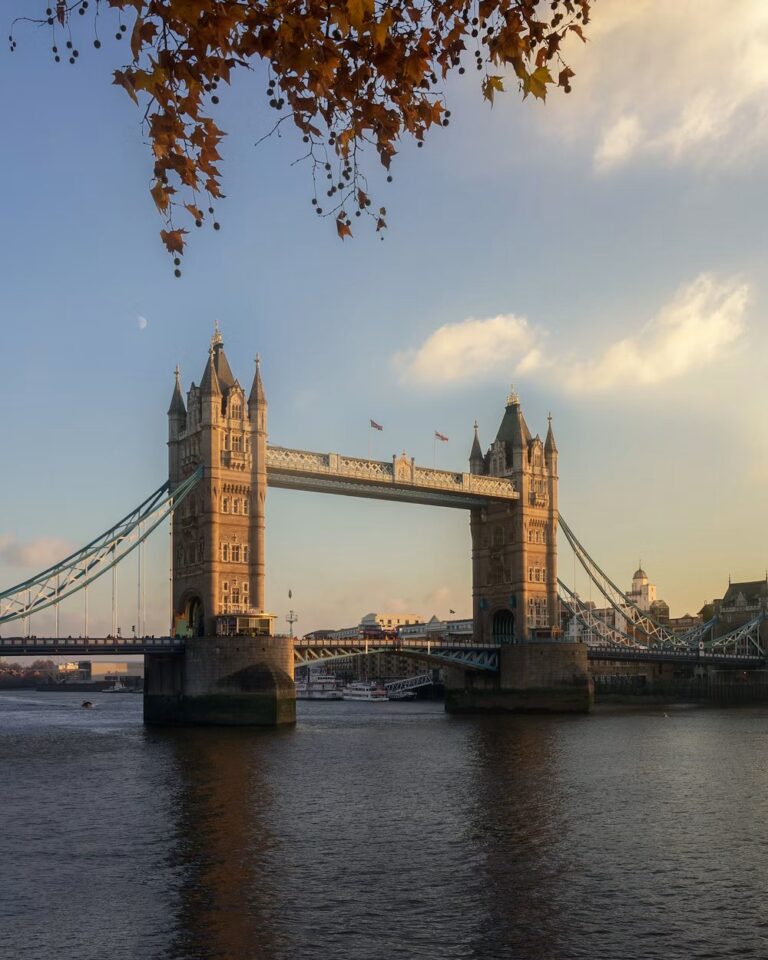
Museums, historic buildings and theatres may have a separate accessible entrance. Find its street location, opening arrangements and any booking requirement. The grand entrance in the photograph may have steps even when an alternative entrance is available.
Ask about the galleries, performance space or activity you intend to use. General building access does not prove every room is reachable. Historic sites can include uneven surfaces and areas with limited access even when much of the visit is manageable.
For a booked event, check accessible seating, companion-ticket eligibility and the operator’s process before paying. Do not assume an ordinary ticket reserves the space or assistance you require.
Facilities and sensory conditions
Check accessible toilets, Changing Places facilities where needed, seating and places to take a quieter break. Distinguish a standard accessible toilet from a Changing Places facility. If a facility is essential, verify its location and availability directly.
For exhibitions and immersive attractions, read information about sound, darkness, flashing effects, projections and crowds. A visit promoted as family-friendly is not necessarily a quiet visit. Ask the operator about calmer sessions or the possibility of leaving and returning.
Food planning matters too. A café may be reachable but crowded, or close earlier than the main venue. Carry what you are permitted to bring and identify a suitable alternative nearby.
Parks and neighbourhood walks need route choices
Outdoor places can include gravel, gradients, cobbles and long distances between toilets. Use a specific manageable route instead of assuming a whole park is equally suitable. Weather can change surfaces and make a route more tiring.
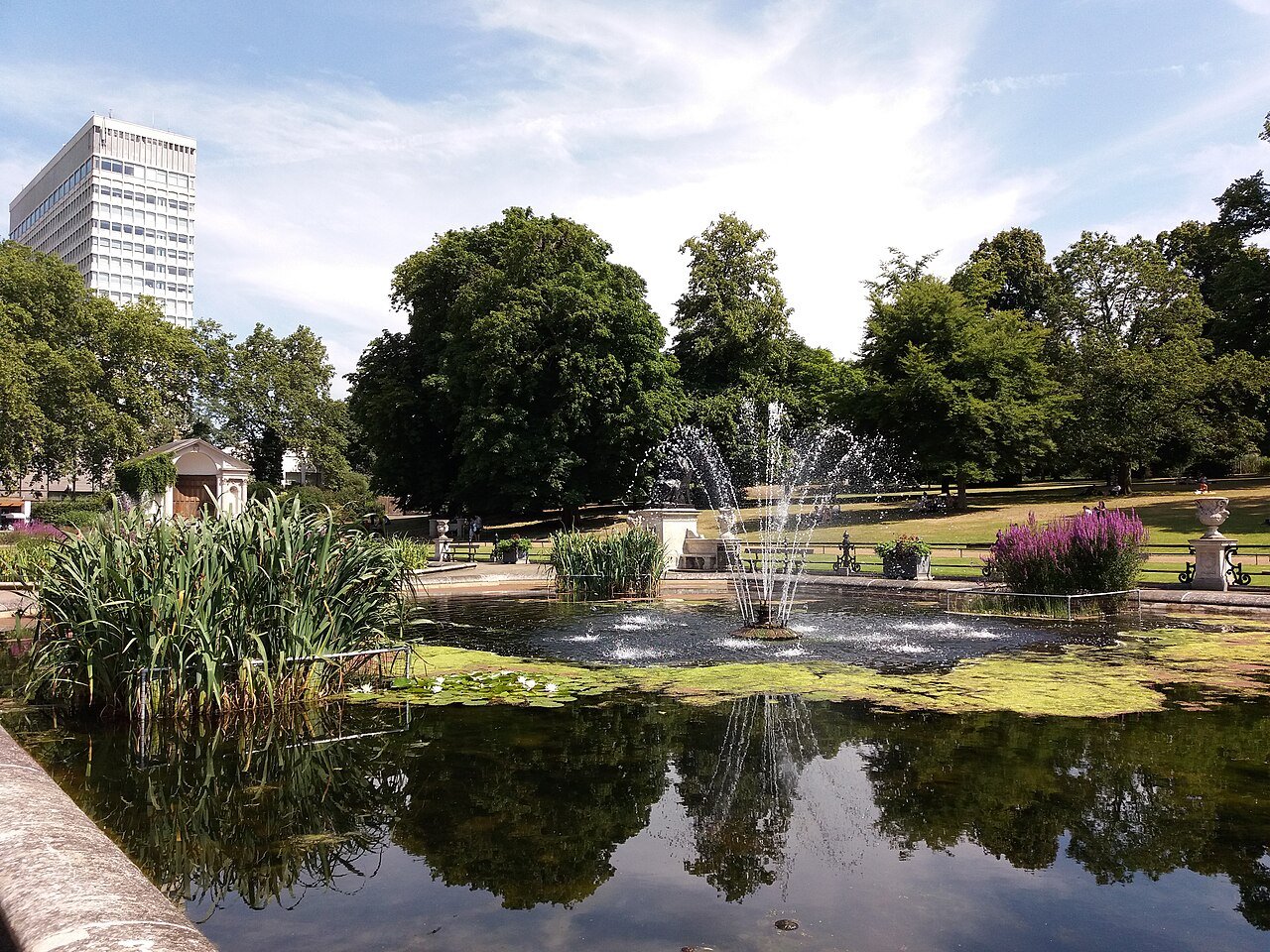
Our Kensington Gardens guide is a starting point for choosing a shorter walk, not a certification of every path. The featured photograph illustrates the Italian Gardens; current access and facilities must be checked separately.
A final pre-departure checklist
Confirm the live route, lift status, correct entrance, ticket arrangements, required facilities and return plan. Save the operator’s contact details and allow time for assistance. Tell your group which parts can be shortened if the day becomes more demanding.
For airport arrivals, check every transfer as well as the London station: Luton’s DART and railway and Gatwick’s terminal and rail choices involve different stages.
Use TfL’s accessible journey guidance and wheelchair access and avoiding stairs, checked 6 October 2026, alongside the attraction’s own current access guide. This planning article does not replace advice tailored to an individual’s needs.
Featured photograph: Fountain in the Italian Gardens, Kensington Gardens; archival photograph. Photograph by Romainbehar, 2019-07-24; CC0. Resized and recompressed; theme may crop for display.