Tate Modern: a focused free collection visit on Bankside
THINGS TO DO · BANKSIDE
Tate Modern is most rewarding when you give a few works real attention. The free collection, the vast Turbine Hall and the riverside setting can make a substantial visit without a paid exhibition. Choose a small looking route and leave room to be surprised.
Checked 6 October 2026. This guide uses Tate’s current collection highlights and visitor information; individual works and rooms can change.
Free collection or a booked exhibition?
Tate’s official visitor page confirms free collection entry and recommends booking exhibitions. Those are separate choices. If you are coming for a named exhibition, arrange its ticket first; if you want an introduction to modern art, the collection is a useful starting point in its own right.
Entry is through the Turbine Hall ramp or the Blavatnik Building. Allow for bag checks. Tate does not permit items larger than cabin-bag dimensions of 55 × 40 × 20cm, and the old Natalie Bell Building cloakroom is closed. Paid, cashless lockers are in the Blavatnik Building; do not arrive relying on a large suitcase fitting.
Four works, four different questions
The current Tate highlights include Matisse’s The Snail, Warhol’s Marilyn Diptych, Duchamp’s Fountain replica and Cildo Meireles’ Babel. Find their present display locations on Tate’s page or the day’s gallery information before starting; this is not a promise that they occupy fixed rooms forever.
- Matisse: look first at the coloured shapes, then at how they make the composition move. Try describing the arrangement without naming the subject.
- Warhol: compare repetition with variation. Which differences become visible only after you stop treating the faces as one pattern?
- Duchamp: think about what changes when an ordinary manufactured object is presented as art. The label gives context, but the question does not have to have one quick answer.
- Meireles: the tower of radios brings sound into the experience. Notice how listening changes your attention compared with standing in front of a painting.
These are LondonFound’s suggested looking prompts, not an official Tate tour. Choose two if four feels rushed. Reading the label after looking can be more useful than trying to understand the work entirely from its title.
Let the building provide a pause
The Turbine Hall is a change of scale after smaller rooms. Spend a moment noticing how your body moves through the space and how other visitors occupy it. A current installation may add another layer, but this guide does not promise a specific commission without a separate dated programme check.
The Tanks are dedicated to live performance and video; what is available depends on the programme. Equally, do not rely on old travel guides promising unrestricted access to a particular viewing terrace. A gallery visit is worthwhile without turning it into an unverified viewpoint itinerary.
A useful two-hour plan
- Start with a map and decide whether your priority is the collection or a booked exhibition.
- Find two or three selected works and allow enough time to look before reading.
- Take a pause between sections rather than moving through every room.
- Finish with the building or riverfront, keeping enough time for your onward journey.
Two hours is a planning suggestion, not a measured tour duration. A film, a long discussion or an exhibition queue can change it considerably. For families, one shared question per room is often more manageable than a long adult checklist.
Access and practical decisions
Use Tate’s current access information for the entrance and facilities you need. If you require a borrowed mobility aid or accessible parking, arrange that directly rather than assuming it will be waiting. Sensitive visitors should check the content and sensory information for any particular exhibition or performance; contemporary art can include flashing images, loud sound or challenging subjects.
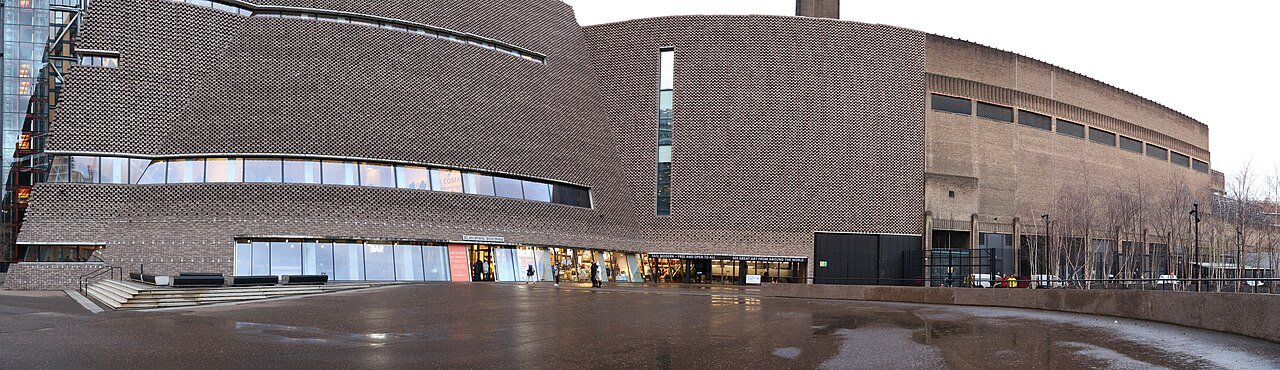
The featured photograph shows the exterior in January 2024. It illustrates the building, not the current exhibition programme. We have not reproduced protected artwork images simply to decorate this guide.
Continue on foot, or change focus
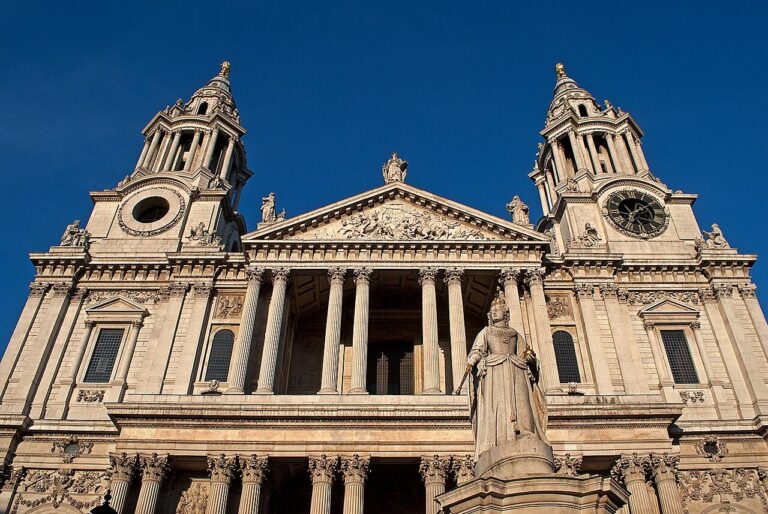
A riverside extension can connect with the South Bank and Waterloo guide. Crossing towards the City gives a different afternoon, with St Paul’s Cathedral as a separately ticketed visit. For a more traditional painting-led museum route, compare the National Gallery rather than trying to see both collections exhaustively in one day.
Featured photograph: Panorama of Tate Modern exterior in January 2024. Photograph by DiscoA340, 2024-01-02; CC BY-SA 4.0. Resized and recompressed; theme may crop for display.