The City of London: cathedral, Roman history and modern architecture
Neighbourhoods · Central London
The City of London is the historic Square Mile, not a shorthand for the entire capital. It offers an unusually concentrated mix of cathedral, Roman remains, civic art and modern architecture. A good day here follows a geographical route and a few opening times rather than zigzagging between every famous building.
Plan for: half a day, or a full day with a cathedral visit. Start: St Paul’s or Bank, depending on the first booking. Choose between: cathedral depth, Roman history or a free art-and-architecture walk.
St Paul’s to Guildhall: a compact western route
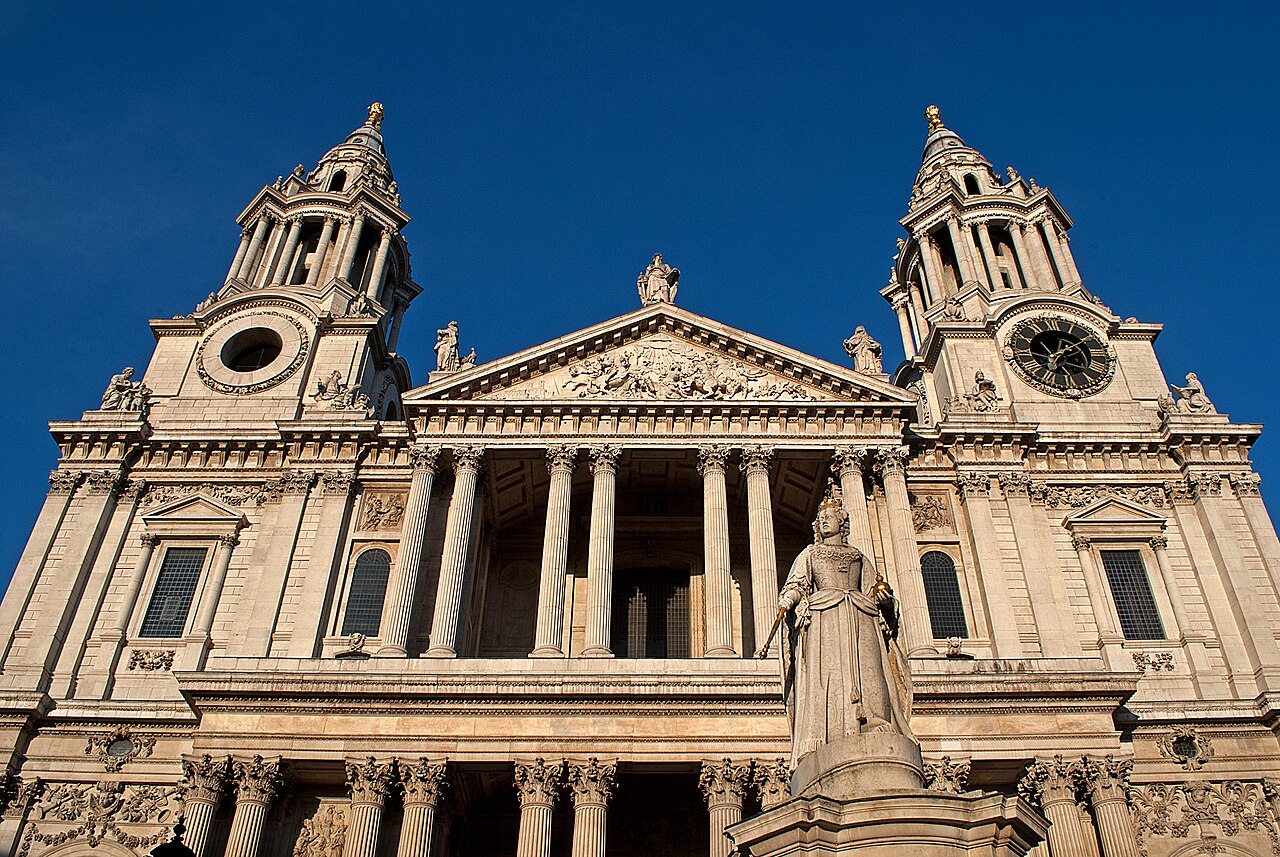
Begin around St Paul’s if the cathedral is your paid anchor. Our St Paul’s guide distinguishes sightseeing from worship and explains why dome climbing should not be treated as a compulsory part of every visit. If you are not going inside, leave the entrance area clear and use the exterior as an orientation point.
Walk towards Guildhall for a change in scale. Compare the open yard with the tighter streets you have just left. At the gallery, choose whether to begin with pictures or go down to the Roman remains; the two experiences reward different kinds of looking. Free admission does not mean unlimited access during a special closure.
Guildhall Art Gallery and the Roman Amphitheatre are scheduled to close all day on 21 October 2026. Check the current City Corporation visit page when planning. The separate Guildhall guide makes this a more focused art-and-history visit, with free booking and access information.
Bank and Walbrook: a Roman-history alternative
London Mithraeum Bloomberg SPACE is at 12 Walbrook. The operator currently encourages a free advance ticket to guarantee the chosen time, although pre-booking is not compulsory. Allow around an hour for a self-guided visit. Temple access runs in twenty-minute intervals, with a short light, haze and sound experience followed by time to look.
Book this before fitting other stops around it. An atmospheric underground presentation is not the same as a quiet gallery, and visitors sensitive to lighting or sound should check the access information first. Do not squeeze the visit between two distant timed admissions simply because all three look close on a map.
For a compact version of the day, use Bank, Walbrook and Guildhall and leave the cathedral interior for another occasion. Two properly experienced history stops are more useful than four entrances photographed from outside.
Barbican as an architectural finish
Continue north towards the Barbican if modern architecture is the part of the City you most want to explore. Allow time to find the correct entrances and level changes rather than assuming every line on a map is a direct street-level path. Public routes, residential areas and ticketed venues have different boundaries.
The Conservatory is not an everyday walk-in attraction. At the 6 October 2026 check, its public visit page listed no upcoming public opening dates. Do not build this route around guaranteed Conservatory entry. Check the programme again closer to the day; a members-only activity is not a general public opening.
The free foyer programme is a separate possibility. Use the current Barbican listings for what is actually available, then combine a short indoor stop with exterior architecture rather than inventing access to closed spaces.
Weekdays, weekends and food stops
The City’s rhythm differs across the week. Office-day footfall, performance audiences and quieter weekend streets affect the feel of a route, but they do not provide a reliable opening schedule for every café. Check your chosen lunch place directly and keep a backup rather than assuming an attractive shopping passage has every business open.
If the main objective is architectural photography, leave space for waiting and looking. Do not stop on a crossing or use working building entrances as a photo set. A quieter street is still used by deliveries, residents and people going to work.
Avoid overloading the route
Keep a Tower-area visit separate if you also want to explore its major ticketed attraction: the Tower of London deserves more than a rushed final stop. The Thames can provide a finish to a St Paul’s day, but adding a full South Bank itinerary will change the distance and duration considerably.
Check TfL station access and the specific attraction’s arrangements where step-free routes, lifts or toilets matter. Historic sites, modern highwalks and streets do not add up to one uniformly accessible neighbourhood route.
Official planning sources
London Mithraeum visitor information, Guildhall’s current visit notices and Barbican Conservatory availability checked 6 October 2026. Dated closures and booking availability can change.
Featured photograph: Western facade of St Paul’s Cathedral; archival photograph. Photograph by Laurence Mackman, 2013-05-03; CC BY-SA 4.0. Resized and recompressed; theme may crop for display.